Need Help? Contact Us
Contact Us
Choose WhatsApp, phone or email and our team will help
Monday to Saturday: 09 AM to 06 PM
Sunday: 10AM to 3 PM
The team typically replies in a few minutes.
- [email protected]
- 03334440376
- Monday to Friday 8:30 - 17:30
Why the most expensive option may be the one that initially feels most familiar
When an ageing parent decides that their current home is becoming too large, too expensive or simply too difficult to manage, buying a smaller property nearby can seem like the obvious solution. Sell the family home, buy a bungalow or apartment close to the children, and continue living independently.
On paper, it sounds straightforward. Financially, however, it can be a surprisingly expensive way of achieving something that many families could potentially create within their existing property.
The mistake is often comparing only two headline figures: the price of a bungalow and the price of a granny annexe. The real comparison is much broader. Buying another property can mean stamp duty, solicitors' fees, removals, surveys, ongoing maintenance and an entirely separate set of household bills. It can also mean committing hundreds of thousands of pounds of family capital to creating a second household.
For families fortunate enough to have sufficient space around their existing home, there is another question worth asking: rather than buying another property, could we use the land we already own?
The £300,000 Decision
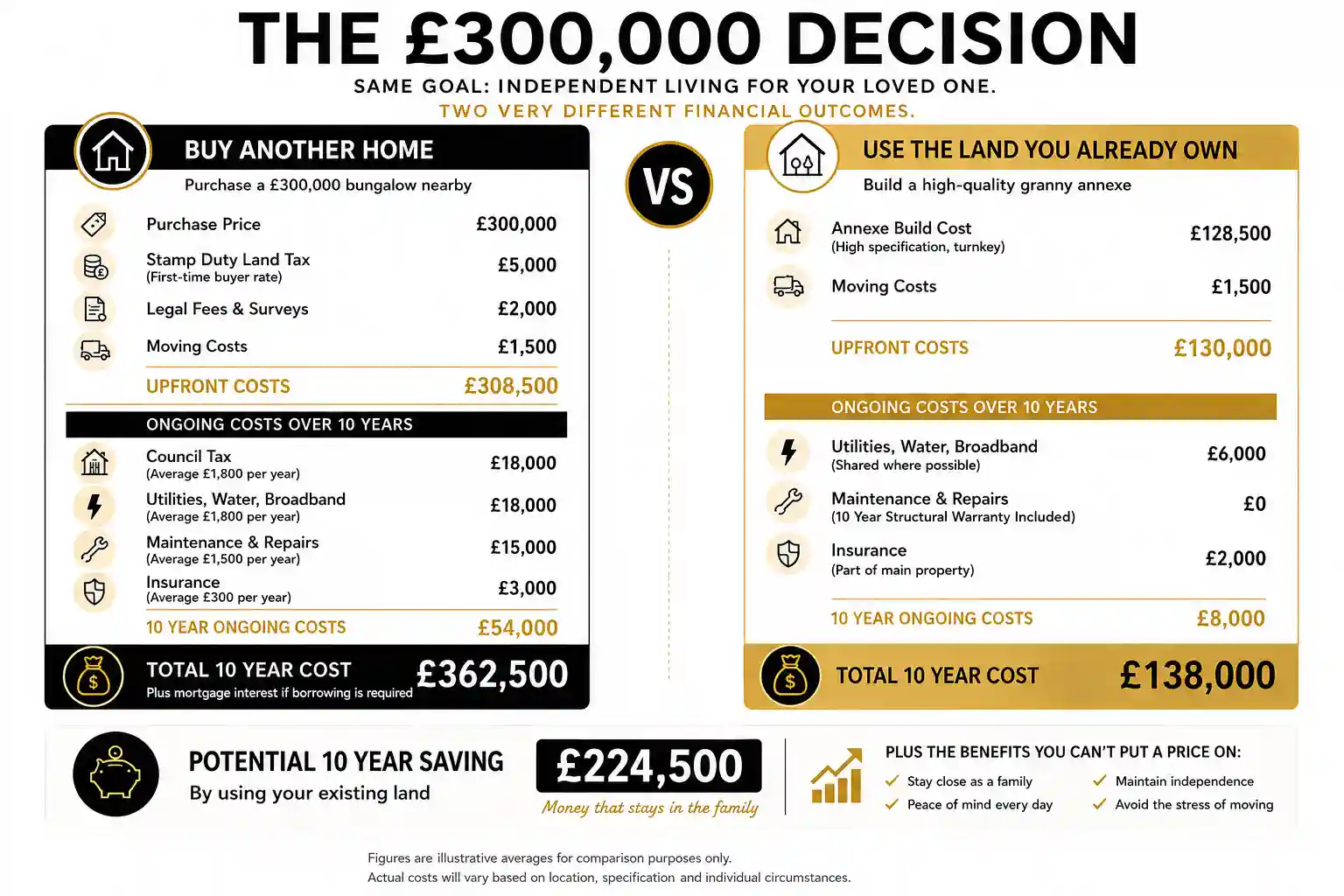
Imagine a family looking for a suitable bungalow close to their home for an elderly parent. For illustration, let's say the property costs £300,000.
The £300,000 asking price is only the beginning. Depending on the circumstances of the purchase, there may be Stamp Duty Land Tax to consider, alongside conveyancing fees, surveys and removal costs. The property then needs to be insured, heated, maintained and repaired for as long as it is owned.
If borrowing is required, mortgage interest adds another significant cost. If the property is purchased outright, hundreds of thousands of pounds that could otherwise remain available for retirement, investment, care or inheritance become tied up in another house.
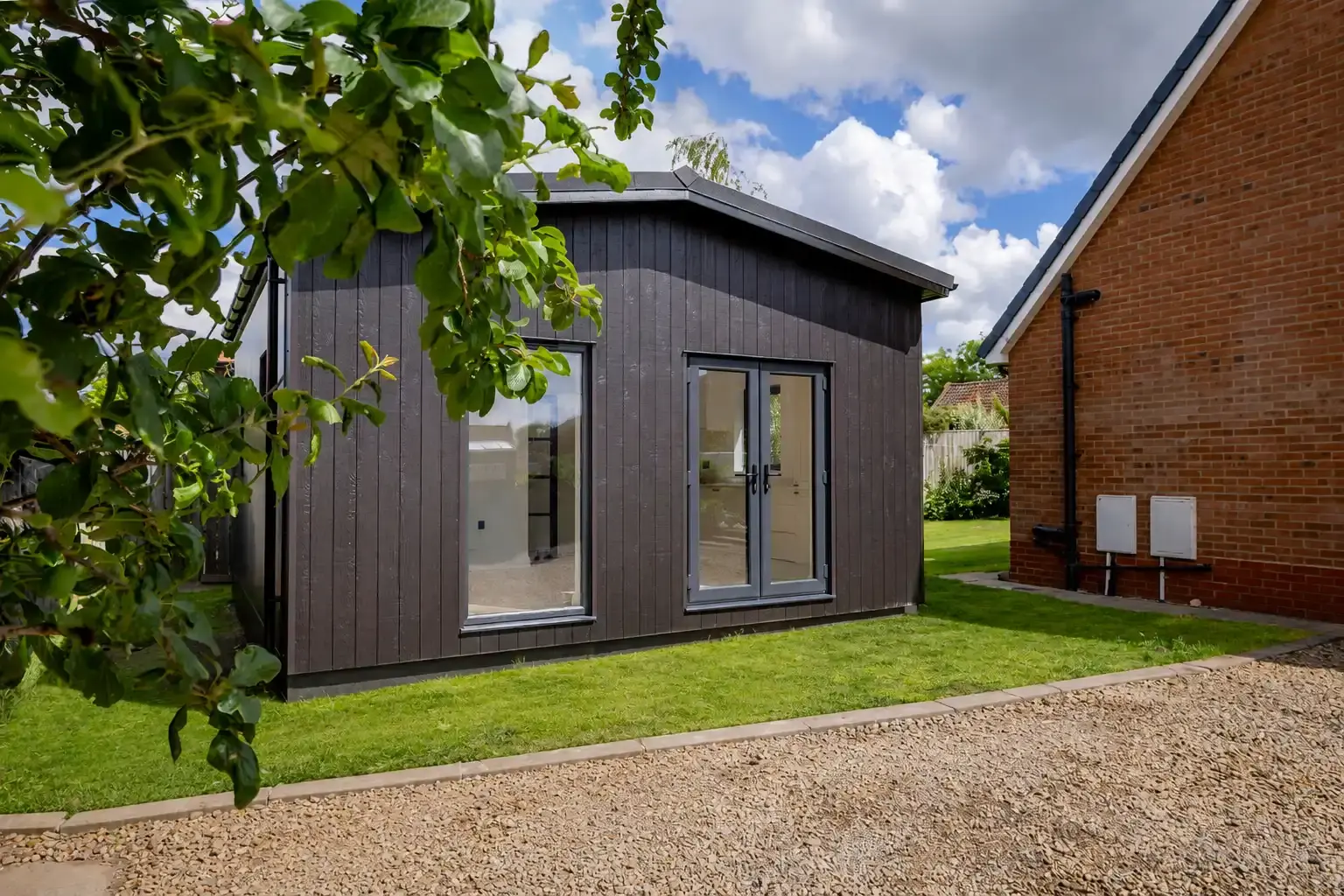
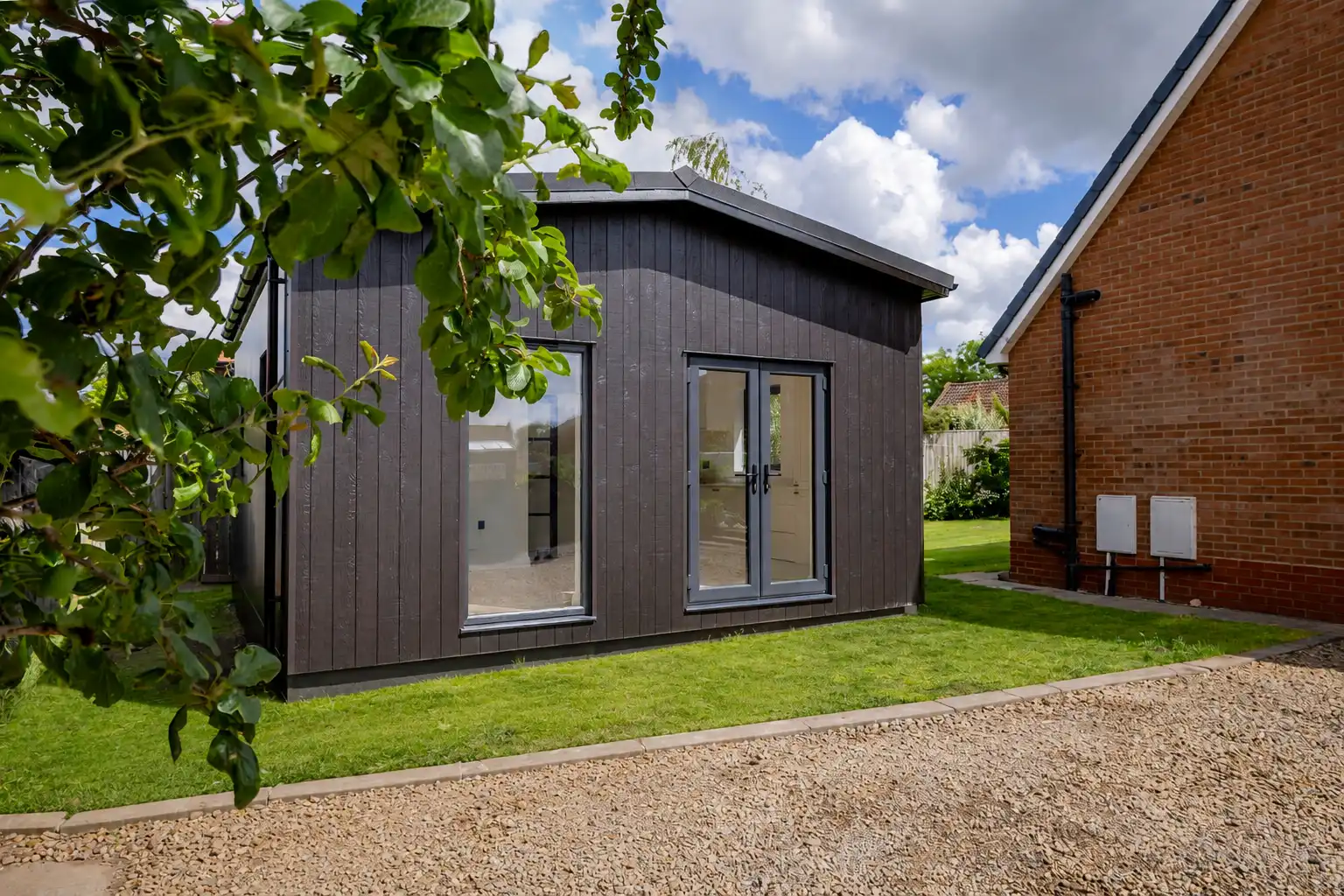
Now compare that with investing, for example, £100,000–£150,000 into a high-quality granny annexe within the grounds of a property the family already owns.
The objective is remarkably similar: to create a comfortable, independent home for a loved one. The route taken to achieve it, however, is completely different.
The real question isn't simply which option costs less today. It's how much family capital each option requires over the next ten or twenty years.
Two Homes Mean Two Sets of Costs
This is where the financial difference can become particularly interesting.
A separate bungalow remains exactly that: a separate household. There may be separate council tax, energy costs, water charges, broadband, insurance and general maintenance. There is another roof to repair, another garden to maintain and another property requiring ongoing attention.
None of these expenses necessarily looks particularly alarming in isolation. But £100 here and £200 there, repeated month after month and year after year, can become a substantial amount of money.
A granny annexe can operate very differently. Where it forms part of a genuine ancillary family living arrangement, infrastructure and services can often be shared with the main property rather than recreating an entirely separate household. The exact council tax and legal position will always depend on the individual circumstances, but the wider financial principle is simple: one family living across one property can avoid some of the duplication that naturally comes with maintaining two completely separate homes.
Over ten or fifteen years, that distinction matters.
What Happens to the Money You Don't Spend?
There is another part of this comparison that is rarely discussed: opportunity cost.
Suppose one family spends £300,000 purchasing a separate property, while another invests £120,000 in creating an annexe on land they already own. The difference is £180,000.
That money doesn't have to disappear.
Depending on the family's circumstances, it could remain invested, supplement retirement income, provide a reserve for future care, help younger generations onto the property ladder or simply remain within the family's estate.
This is why looking at a granny annexe purely as a construction cost can be misleading. The relevant comparison isn't necessarily £120,000 versus nothing. For some families, it might be £120,000 versus the £300,000–£400,000 alternative they were already considering.
Seen from that perspective, the financial conversation changes considerably.
What About Property Value?
There is an important counterargument. If you spend £300,000 on a bungalow, you haven't simply spent £300,000. You own another property, and that property may appreciate over time.
That's absolutely true, and any credible comparison needs to acknowledge it.
But money invested into a well-designed annexe isn't necessarily lost either. An attractive, professionally built annexe creates additional usable accommodation and can make a property considerably more appealing to buyers looking for multi-generational living, accessible accommodation, and space for adult children or flexible family living.
It would be irresponsible to suggest that every £1 spent on an annexe automatically adds £1 to the value of the main property; property values simply don't work that way. Location, design, quality, size and buyer demand all matter.
The important distinction is that the money has been used to improve an asset the family already owns rather than simply being consumed by an ongoing expense.
Then There Is the Lifestyle Comparison
The financial argument may initially bring families to this conversation, but it is often the lifestyle argument that ultimately makes the decision.
A parent living in a bungalow five miles away is still living five miles away. Someone needs to drive over when something goes wrong. Visits need to be arranged, shopping may need to be delivered and, as the years pass, that distance can begin to feel considerably greater.
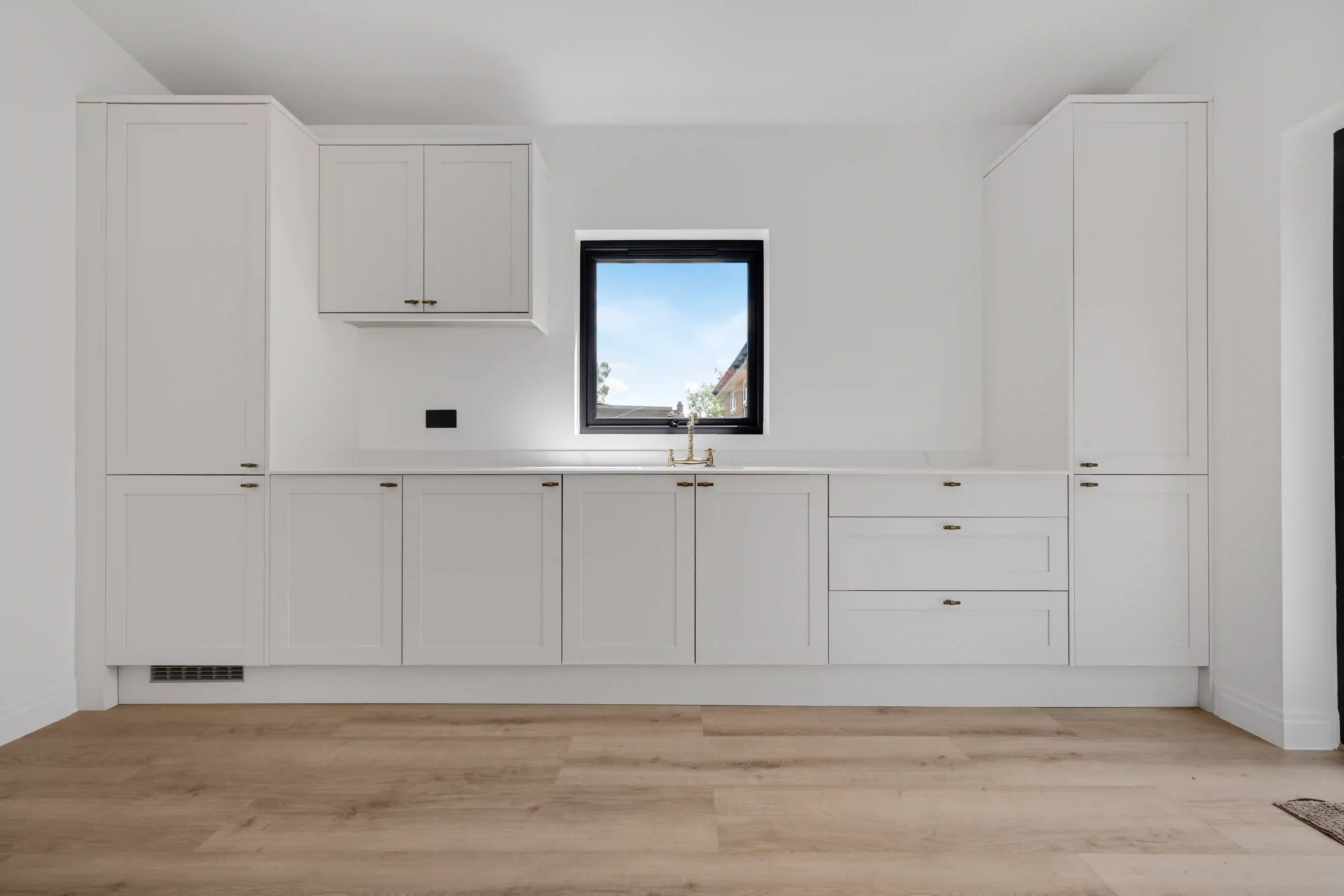
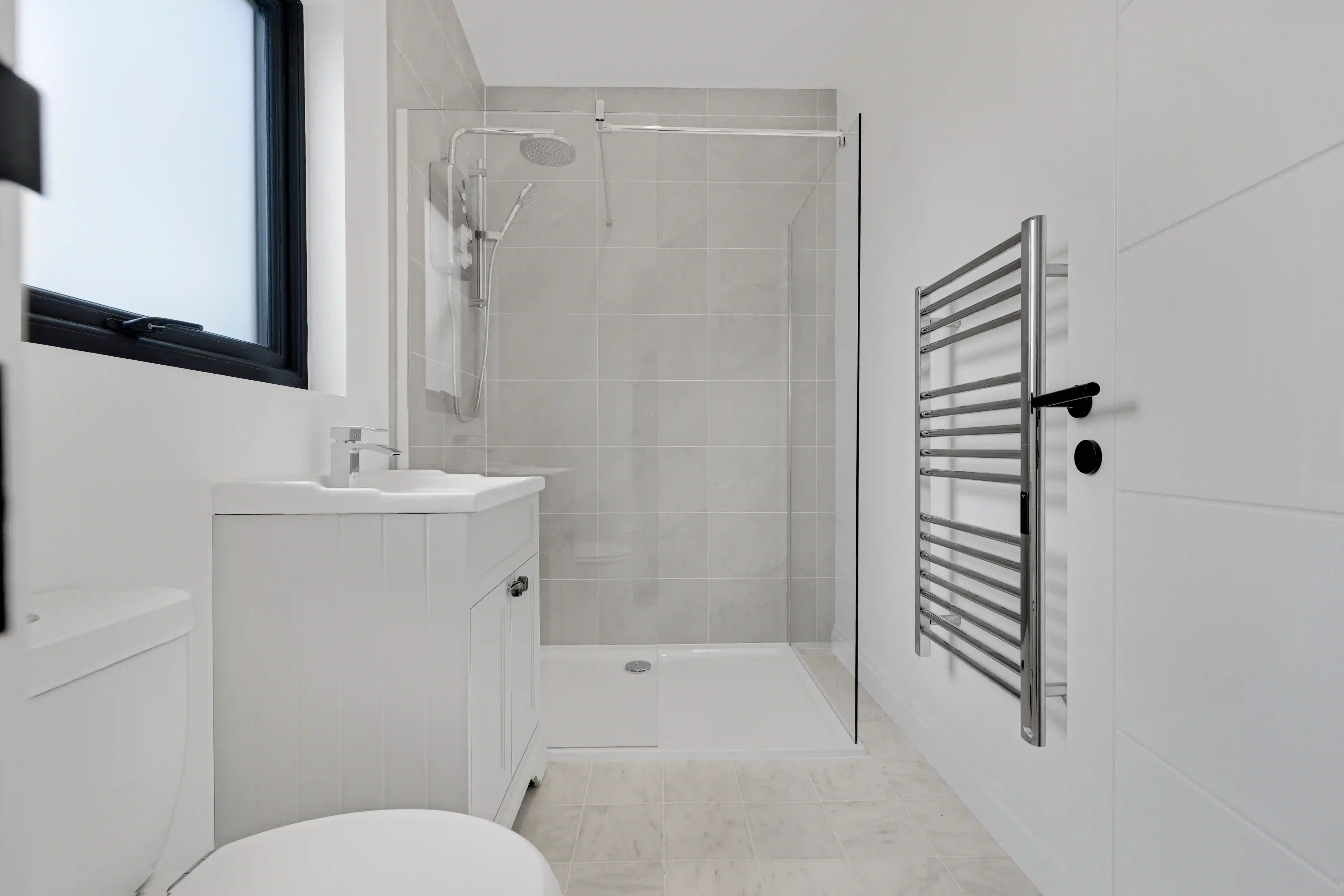
An annexe allows independence without creating the same separation. Mum or Dad can have their own front door, kitchen, bedroom, bathroom, living space and daily routine, while the rest of the family remains just across the garden.
It can be the difference between visiting family and actually being part of family life.
Using the Land You've Already Paid For
For many homeowners, the most overlooked asset in this entire calculation is sitting immediately outside the back door.
Families can spend hundreds of thousands of pounds purchasing another plot of land with another house on it, despite already owning land capable of providing the accommodation they need.
Of course, not every garden will be suitable for a granny annexe, and the planning and legal position needs to be properly considered. But where the circumstances are appropriate, using existing land can be an extraordinarily efficient way of creating additional family accommodation.
Instead of asking, "What bungalow can we buy nearby?", it may therefore be worth asking a different question first:
"What could we create with the property we already have?"
Final Thoughts
Buying a separate property will absolutely be the right decision for some families. It provides a completely independent asset, offers geographical flexibility and may deliver long-term capital growth.
But it shouldn't automatically be considered the only sensible option.
Once purchase costs, duplicated household expenses, maintenance, financing and the amount of capital involved are considered, a granny annexe can present a very different financial proposition.
And perhaps that is the comparison families should be making.
Not simply "How much does a granny annexe cost?"
But:
"How much would it cost us to achieve the same thing another way?"
Because when the alternative involves purchasing and maintaining an entirely separate home, the cost of building an annexe can suddenly look very different indeed.
recent posts
What Are The Best Granny Flat And Annexe Designs?
September 2026
Top 5 Granny Annexe Companies In UK
May 2026
Granny Annexe Pods Vs Cabins: Which Is Best?
September 2026
Search
People also search for:
Top